
The Observers
Cybersecurity, Devices, and Surveillance, Part 1

The second article under this series can be read here
This article can be read along with Truck-stopper Type as part of a what I call the ‘Clothing and Gadgets’ series.
Truck-stopper Type

“World War III is a guerrilla information war with no division between military and civilian participation.” -Marshal Mcluhan Those of us, familiar with Marshal Mcluhan know he was a world renowned Canadian philosopher. He was so perceptive about the current predicament that we find ourselves in. It is plain to see how true his words are to the modern da…
I’m impressed by the traction and attention my Substack has been getting so far, as well as the conversations I have been able to engage in with others. Please continue to share my Substack as much as you can. This is a major way I can try to mount an attack back for the de-humanizing actions that were taken against me, when I had become injured after a car accident. Now with the arrival of better weather in Canada, my Substack, and my fight is ready to be taken to the next level.
In this article, I would like to speak about the ‘cybersecurity strategy’ as well as the associated technological processes that the General used in their game, to the best of my abilities. I realize I may not be able to get into all aspects of this in only one article, so I am making this an ongoing article series that I plan to add to in the future as needed.
Introduction
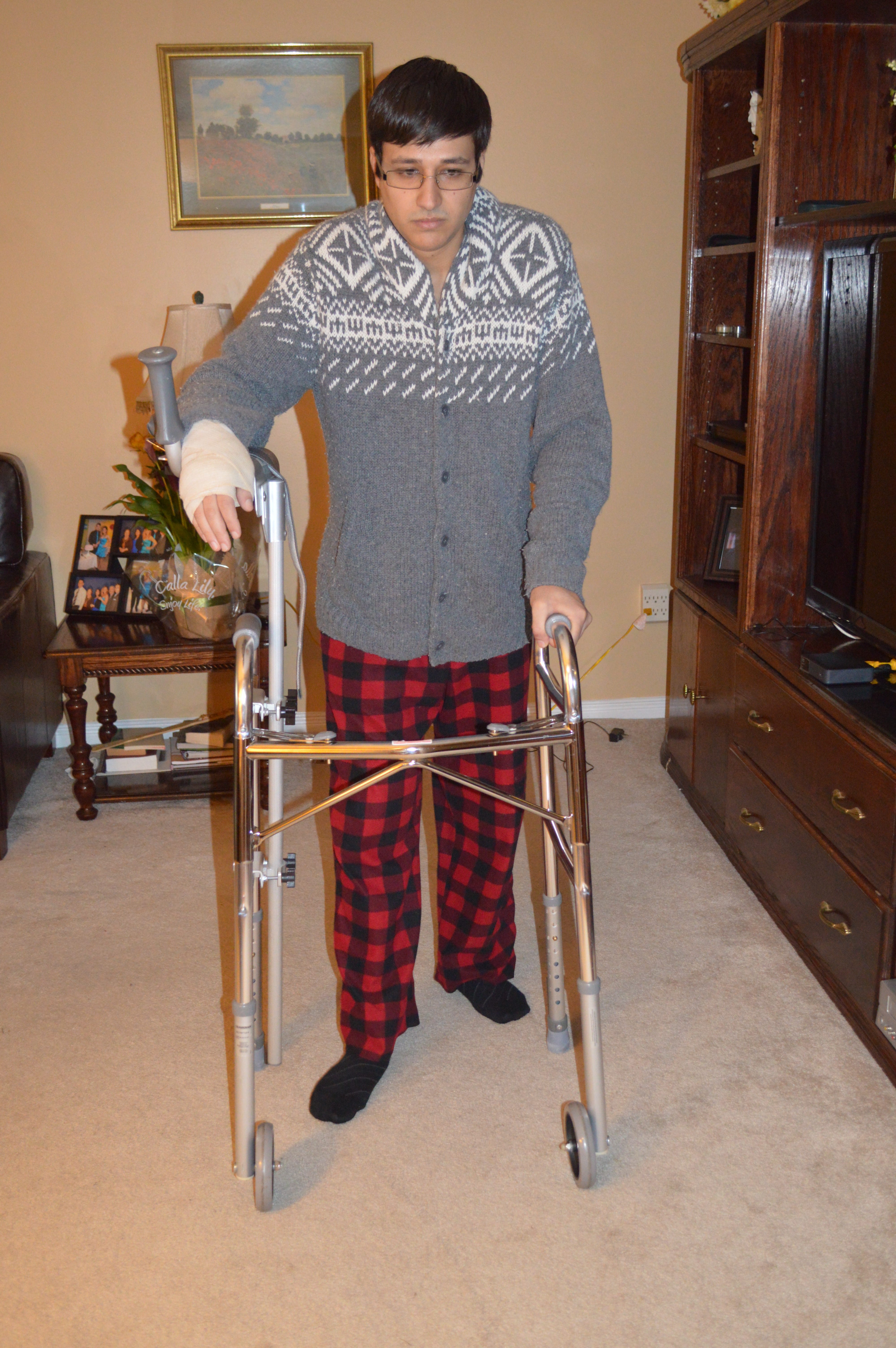
Before my accident, I had no real idea or concept of what cybersecurity even was. In fact in the beginning of my programming right after I got out of the hospital, my brain could not understand or hold such concepts. I was in too much pain and shock from what happened to me and my mind was in a haze. By the time, I was released from my initial hospital stay, I was already programmed. The seeds were already planted in my brain. The General built the foundation of my programming on ideas and concepts around my programmed character and appearance (You can read more about that also in my truck-stopper article). This made it seem like something of a childhood dress up game was going on. This was so soon after my brain injury, everything felt dismal and I was in a very dark space in my head. So this kind of ‘dressing up’ into a character that the General was introducing into my mind seemed like fun that I could not pass up. Besides, in those days I did not yet know the General as the ‘General’. Things seemed very innocent, in those still very early days after my accident. In the beginning phases of my programming, the General was simply the ‘Coach’ and I was known as the ‘Player’. It appeared to me, as if something resembling a basketball game was taking place.
Also, early on in the game, there was no cybersecurity issues that my programming demanded of me to be aware and cautious over. In the beginning the General and I would communicate normally over plain old SMS text messaging, as well as in person. At this time, the General kept telling me repeatedly not to click on any links over text message or over email, that I was not completely sure were safe. Also similarly, if I wasn’t sure about the safety in regards to something technical on an electronic device that I was using, I was to immediately check in with the General about the issue by sending a screenshot to them over text with a description. Then they would tell me whether there was actually an issue or not and how to act accordingly. That was how my introduction to cybersecurity began and that seemed simple enough.
This changed rapidly, but also seamlessly, as they informed me about how the very electronic devices that I use, can then be used to spy on me in my most personal and private moments. Also saying that the strength level of the main ‘institutional adversaries’ of the General’s game had the power to spy on you through your electronic devices at anytime, and you would not even be aware that in fact the spying was actually taking place when and if it was taking place. Now I was really scared and this produced a psychologically unhealthy relationship with my electronic devices. Having my phone be in my pant pocket started to be bothersome to me. Feeling so uneasy all of the time now, on top of my general confusion due to a fresh brain injury, put me immediately in the mindset to take instructions from the General on how to be ‘safe’. Basically, this is the point where the start of the control over me increased and went into another level and would maintain at this level throughout my rehabilitation. Also, just as when the cybersecurity strategy was starting to form into a cohesive set of processes for me, the ‘Coach’ also transformed into the ‘General’ and myself from the ‘Player’ to ‘Soldier’. It was a swift transition. Pretty soon, I was caught up in a game where I had no real awareness of the parameters or limits to the game and I was worried about being safe both in the present and in the future. I was also no longer having a correct read on reality. Somehow I woke up one day and became something of a ‘special agent’. Also, this is where the General started to present themselves as a ‘Savior’- one of many hats they wore.
The Observers
In the code word language of my programming the institutional adversaries were known as the ‘Observers’. The reason that the General chose this label, was so that it would be an easy way for me, with a brain injury, to visualize and understand the central power that these level of adversaries possessed. Namely the capacity and capability to make ‘observations’ of me, both in person and electronically, at anytime and anywhere over a twenty-four hour period for the duration of my legal case. To guard against this round-the-clock surveillance, my programming directed me to stay in character over a twenty-four hour period. As part of this constant vigilance, that the General had instilled in me early on, would eventually place me straight into what would be called the ‘cybersecurity strategy’. This set of technological processes would restrict the way I was to use all electronic devices, such as my smartphone and laptop, for the entirety of my rehabilitation of half a decade. Additionally, it would restrict my use of specialized devices. These were repurposed and customized electronic devices procured and set-up by the General, to be used in their game called ‘safe devices’.
Their cybersecurity campaign was primarily fought and maintained over these two fronts- ‘normal and safe devices’. Before I continue further, it would be helpful to make a quick list about what each of these devices were, and certain features that they had.
Normal Devices
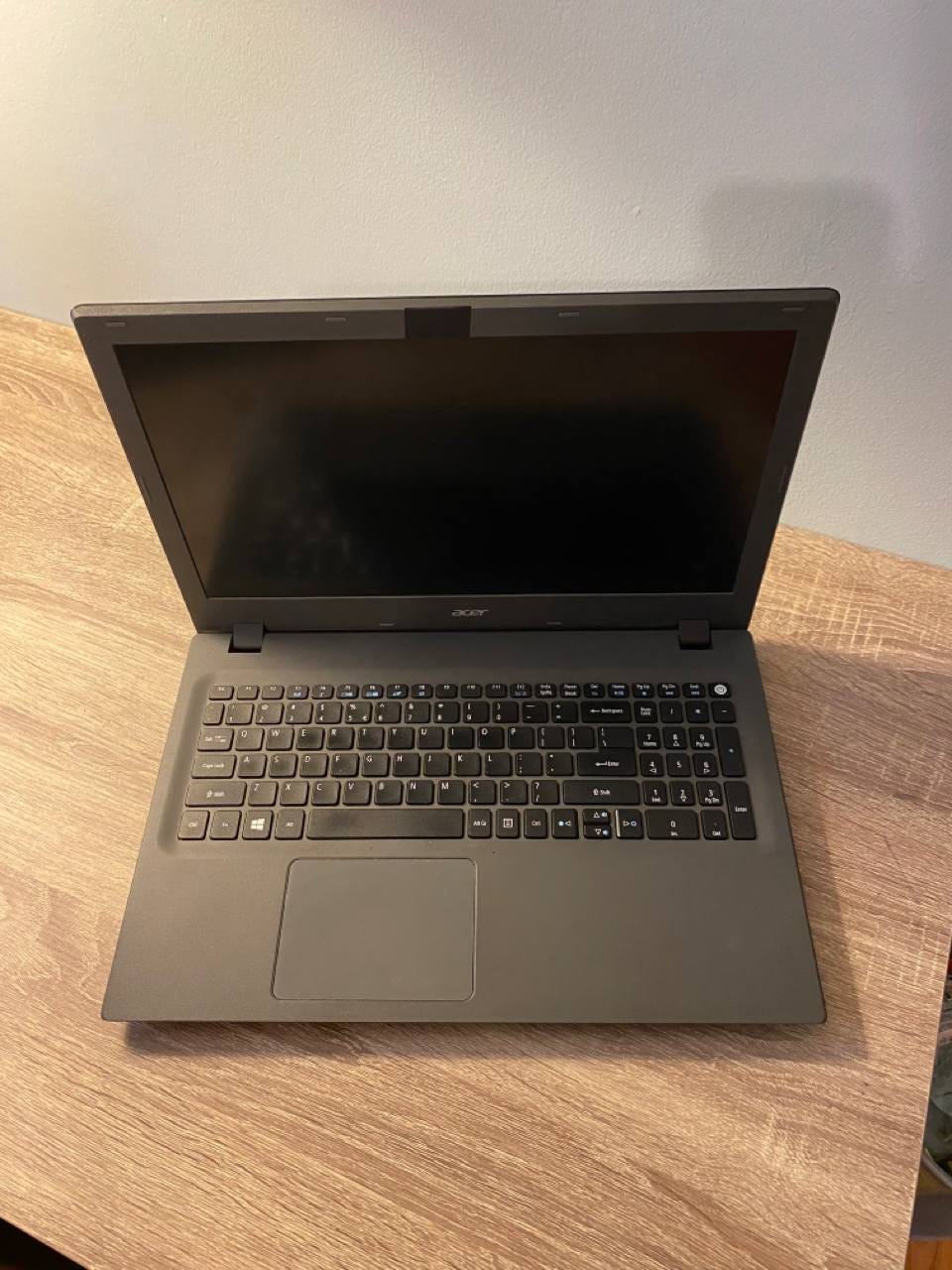
‘Normal devices’ were devices to be used ‘normally’ by my programmed character within the General’s game. Normal, however, was a term that came up a lot in the coded language of the General’s game. If my ‘truck-stopper outfits’ and associated in-person behaviors were in line with how my character was supposed to be then my appearance was said to be ‘normal’. Normal in terms of the cybersecurity aspects of the game specifically referred to normal in reference to how someone with my ‘programmed character’s capacity’ would be expected to be using electronic devices. Of course, this was under the assumption that the ‘Observers’ were monitoring my use and activities on any specific device at all times. For example, if the ‘Observers’ were inside my phone, then they would see me using my phone in a ‘consistent’ manner that the same individual that they have medical records for and have in person observations about, would be ‘expected’ to be using their phone based on my ‘character’s capacity’.
Normal Devices:
Primary Normal Device
Android Smart Phone
Permitted Uses of the Device:
Whatever apps my medical team would suggest to me as part of therapy
Used for reminders and alarms for tasks
Used for calling or texting friends, medical team, and other contacts in the ‘normal’ way
It was OK for my screen to be visible to my medical team or others
Security measures:
Virtual Private Network had to always be on in the background
The General made versions of this phone De-Googled
If I had to use the washroom, during an in-home therapy session, I had to take my phone with me. This is to prevent PSW’s and others therapists, on instruction by ‘Observers’ from tampering with the phone to allow the Observers to get enhanced access to my device. [This is what I meant by in-person technological processes in my truck-stopper article] *
Similarly and for the exact same reasons, I was to take the power cord for my phone with me to the washroom or hide it before hand *
There was no real permitted use of my phone for entertainment reasons. Aside from browsing the Weather Network and other boring but permitted browsing such as retail websites.
I was not to click on any links that I wasn’t absolutely sure of its safety
The device had to be powered off, if I was meeting in person with the General. As the ‘Observers’ could listen on our conversations through the phones mic, if the phone was powered on.
As long as the device was powered on then speaking had to be in the ‘normal’ way
The General appeared as a contact on this device as well. However, we were only able to text or call in the ‘normal’ way or just as ‘friends’. Only using a ‘light version’ of the code words of the game if necessary. This is why the General early on brought into play a duplicate ‘safe version’ of the same phone which I describe below. If we needed to discuss the code words of the game more freely then that could be done on the ‘safe device’. Often the General would use some code word through texts on my ‘normal phone’ as a reminder for me to go read a text from them on the corresponding safe version of the device and respond accordingly.
Secondary Normal Device:
Windows Laptop
Permitted Uses of the Device:
Whatever websites my medical team would suggest to me as part of therapy (These were harmless websites like the ride scheduler for local public transportation).
Used for emailing friends, medical team, and other contacts in the ‘normal’ way
It was OK for my screen to be visible to my medical team or others
Security Measures:
Virtual Private Network had to always be on in the background
The computer was not to be left unattended with therapists similar to phone *
The computer could only be used to browse ‘normal’ content. This basically made browsing for me to become a boring thing:
Amazon
Etsy
Pinterest
I could play video games on the computer but I had to stop playing after 20 minutes. Also, I could only play games in two 20 minute blocks a day at maximum.
In terms of watching video content, I could only view fictional as well as pornographic content. The reason the General provided is that ‘there can be no real assumptions drawn about my ‘capacity’ from the viewing of these types of content. Documentaries for example were not permitted viewing
This also turned the General into my ‘entertainment supplier’. If there were any fictional TV shows or movies I wanted to watch, they would download them through torrents and provide them to me on USB
The device had to be powered off, if I was meeting in person with the General. As the ‘Observers’ could listen on our conversations through the computer’s mic, if the computer was powered on.
As long as the device was powered on then speaking had to be in the ‘normal’ way
Safe Devices
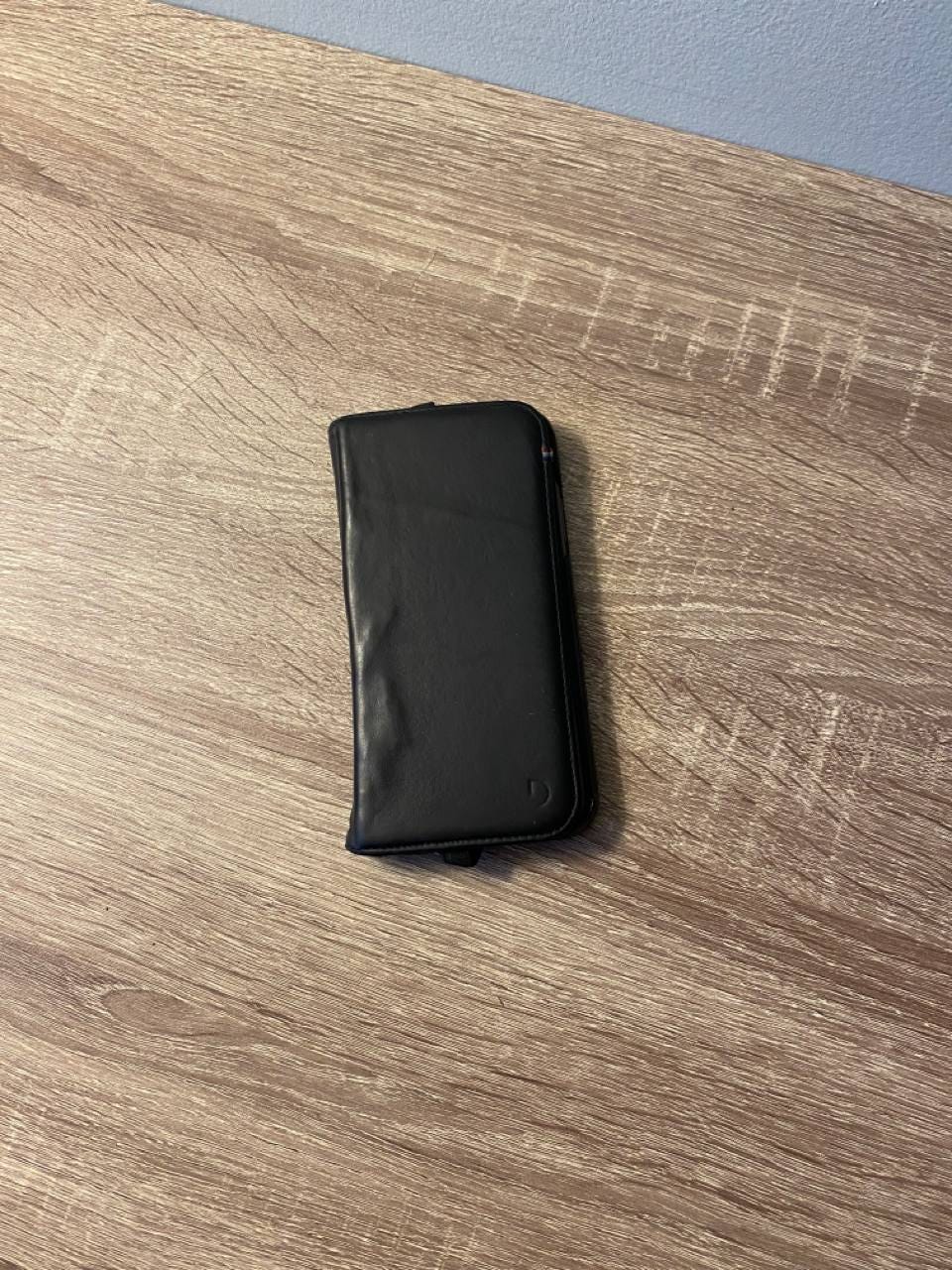
Primary Safe Device
Exact Duplicate Smart Phone to the Normal Phone
If normal devices were to be used in ‘normal’ ways, then safe devices were meant to be used in certain ‘abnormal’ ways
Permitted Uses of the Device:
Singular use only- Signal Messaging App
Encrypted text messaging with the General where we could talk ‘almost freely’. The phone was also nick named the ‘Bat Phone’ in the coded language.
Not only would discussion of the code words of the game take place in person with the General. Now they would continue every day through this safe device. Keeping me contained, around the clock to my programming narratives. Additionally, when this device came into play, the General could enter into environments with me in the field. Such as when I was an in-patient at a hospital program- the hospital would on the surface admit one person but actually admit two persons (The General and I)
Security Measures:
Most of all the apps were deleted from the phone except for the necessary stock apps of Android which can’t be deleted.
De-Googled
Signal was the only app to be used. At first messages, were set to auto-delete after 5 minutes. This was too short for me to remember instructions and I needed to check the message thread a few times to remind myself what the messages said. Therefore the General changed the auto-delete time to 10 minutes.
The phone was not to be used for any other purpose, other than a semi-secure channel to communicate with the General. Reason being that the phone was meant to be kept anonymous. So, I was not to log into any service to give away my personal identity such as email.
Depending on which version of the phone I was using, the other duplicate phone was to be hidden in my backpack. This was to give the impression to others that I only had one phone in my possession.
Later on throughout the years, there would be a significant change to the category of safe-devices. In particular, when the General deemed it to be safe enough, from a cybersecurity standpoint, the safe and normal aspects of the smart phones would be integrated under a single phone. Taking the need for a second phone out of play. Later on in my rehabilitation, the General would also bring into play what was nick named the ‘golden device’. This was a tablet that could be used in all of the ‘abnormal ways’ that my computer could not be used for. Finally the freedom to ‘browse the internet’ and watch any content that I wanted returned to me after so long but it would only further lull me to sleep. Those two devices are significant and important to discuss but I will do so in a future post under this series.
Conclusion
The restricted use of electronic devices, as well as the media consumption restrictions that the General imposed on me were enough to drive anyone mad. Indeed, I was mad for all those years on top of all other issues I had with regard to my injuries. After all, with all these restrictions imposed on me, being at home also felt like being in prison. The cybersecurity strategy also gave reality a fictional quality. All these processes made me feel like I was an actual special agent. Also, I was scared because now the General made me aware about all the ways I could be under observation, and this put me in a twenty-four hour state of unease. For the entire duration of my rehabilitation I would be worried about being under observation, by the ‘Observers’. Even after my programming was terminated in Toronto, I would still hide my devices in the same way that my programming instilled into me. All of the time whether in person, or over the safe device, the General and I always spoke about the ‘Observers’. Since I was living at home with my family, and they were not part of the game, this made me always hide my phone in my dresser, since my family could speak to me in ways that went against the ‘normal’ rules. The General showed me how under cybersecurity, it is very easy for the ‘Observers’ to listen in on conversations through accessing the phone’s microphone.
Under the ‘cybersecurity strategy’ all of the devices, both normal and safe, would be wiped and a fresh re-installation of the operating systems on them would take place by the General. This happened about every three months. Exceptions to the rule, would be when I would make a mistake. Such as sending a photo over the wrong device, prompting an immediate meet up with the General that day, to wipe the device. Also, I would make some errors early on, when I met the General in-person, when I would forget to turn off my phone right away. Sooner rather than later though all of these technological processes became second nature to me. This was the backbone to how the General exercised power over the institutional entities. Everything else, in the General’s game was regimented by these processes. The General knew that even with their best efforts at cybersecurity the ‘Observers’ could still hack into both the normal and safe devices. However, the additional security measures they took would limit what information they could obtain even if or when they got in.
The General once said regarding the institutional adversaries that, ‘You can never face a more powerful adversary head on. All you can do is make things harder for them’. Let’s not be mistaken and say that the tools are to blame. Signal and Bitcoin were not the problem for what happened to me. The problem lies at its root in personal injury law, and the lack of protections, for the most vulnerable. With the legal system, leaving so many of us exposed in this way, so too does the legal system naturally leave itself open to serious attacks like this. Just like in cybersecurity, the weakest component is the best route to exploit a device (or system). By hacking me, the General was able to run an elaborate operation, against both the insurance companies, as well as the courts. Without being able to file a complaint in the courts, the courts further weaken themselves by not even being aware of the major intrusion that was made to the courts. Let’s not be fooled by this drive towards a surveillance state through central bank digital currencies, censorship bills, and the like. This will neither make any of us more ‘safe’ nor offer us any added ‘protection’, it will be the exact opposite. My story should say enough at the micro level. As citizens, we would do our best to resist this growing totalitarian phase of the West and instead focus on fixing the institutional processes, we already have. Besides, the General has shown that the ‘game of watching others’ can be turned around, so well against the ones doing the watching- to the point where the ones watching are no more the wiser to how they were gamed. Besides, the General types operate on a whole different plane, than any of our public entities could ever hope to observe, even with enhanced surveillance at their disposal.
* I have added this note after writing this article when a reader brought up a good question.
Question: Is it practical to expect a therapist or personal support worker to tamper with someone’s electronic device on behalf of another?
My Answer: As my programmer demonstrated, it is never wise to underestimate the capabilities of any actor.
For a discussion along these lines, you can listen to my podcast episode Tacit Moves
The second article under this series can be read here